Shared use is an abuse test
Rental hardware absorbs kerb drops, tip-overs, wet weather and riders who have no stake in its survival. Consumer-grade design assumptions do not survive that environment, which is why fleet platforms have to be engineered for it from the frame out.
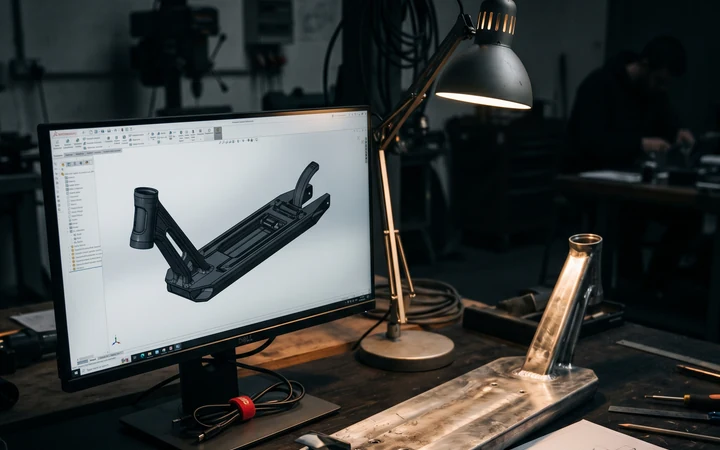
That means reinforced stems, anti-slip decks rated for constant use, and IP-sealed electronics — on our fleet platforms, to IPX5 — because water ingress is not an edge case in shared mobility, it is Tuesday.
Tamper resistance and serviceability
Fixings on a fleet unit have to resist casual tampering while still letting an authorised technician work quickly. It is a real tension: too accessible and units get stripped; too locked-down and field service becomes uneconomic.
We design the fastener strategy around that balance, and pair it with swappable batteries so energy turnaround does not pull a unit out of service any longer than it has to.
Telematics as a maintenance tool
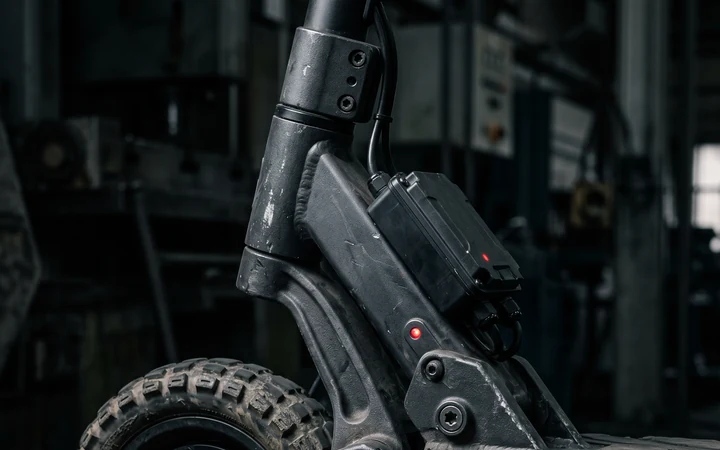
A telematics-ready mount is not just for locating units — it is how an operator sees a fault developing before it becomes a roadside failure. Integrated with the operator’s platform, it turns maintenance from reactive to scheduled.
Durability, in the end, is not one heroic part. It is a stack of unglamorous choices — reinforcement, sealing, fixings, swappable energy, telemetry — that together decide whether a deployment stays profitable.