Where launches actually slip
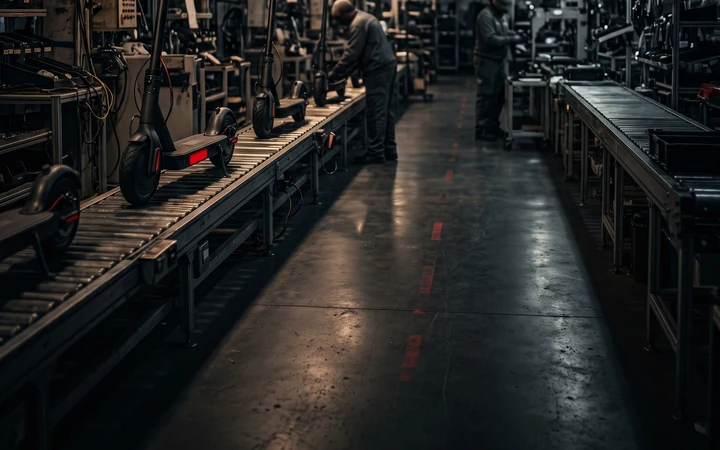
Most delayed launches we see do not slip on tooling or production capacity. They slip on paperwork — a missing test report, a certificate issued against the wrong model variant, a document set that does not match what is physically in the box.
By the time that surfaces the unit is already built, already shipped, and already sitting in a bonded warehouse accruing storage while someone chases a lab for a re-test.
File it with the design, not after it
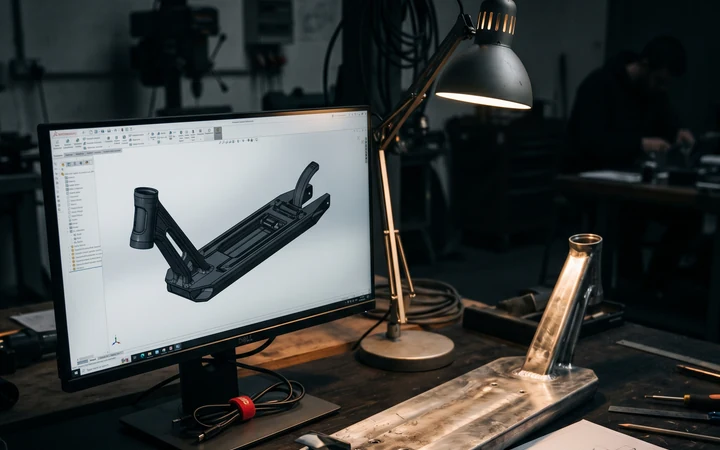
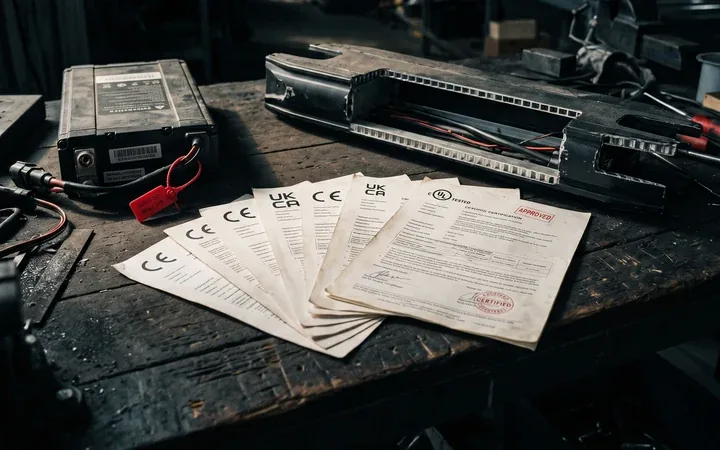
We treat CE, UKCA, UL 2272, RoHS and UN38.3 as design inputs, not a final gate. The compliance requirements for the target market are locked in during sampling, so the certified configuration and the production configuration are the same object.
That alignment is the whole trick. A certificate is only useful if it describes the unit that is actually in the carton — and the cheapest way to guarantee that is to certify the thing you are going to ship, not a prototype that drifts before mass production.
Keeping stock moving
For a brand owner, pre-certification means the documentation travels with the goods and clears inspection without a scramble. For a distributor, it means predictable border timing you can actually promise to your own customers.
None of this removes your obligation to hold the right market authorisations — but it removes the version of the problem that turns a two-week delay into a two-month one.