Why one roof matters
Every hand-off between two companies is a place where quality assumptions diverge and where nobody quite owns the seam. Distribute a vehicle across a dozen vendors and you distribute accountability along with it — until a failure appears and everyone points at the next supplier up the chain.
Under one roof, the seam is internal. When end-of-line testing flags something, the drivetrain team and the assembly team are in the same building, working from the same records, on the same day.
The floor, in order
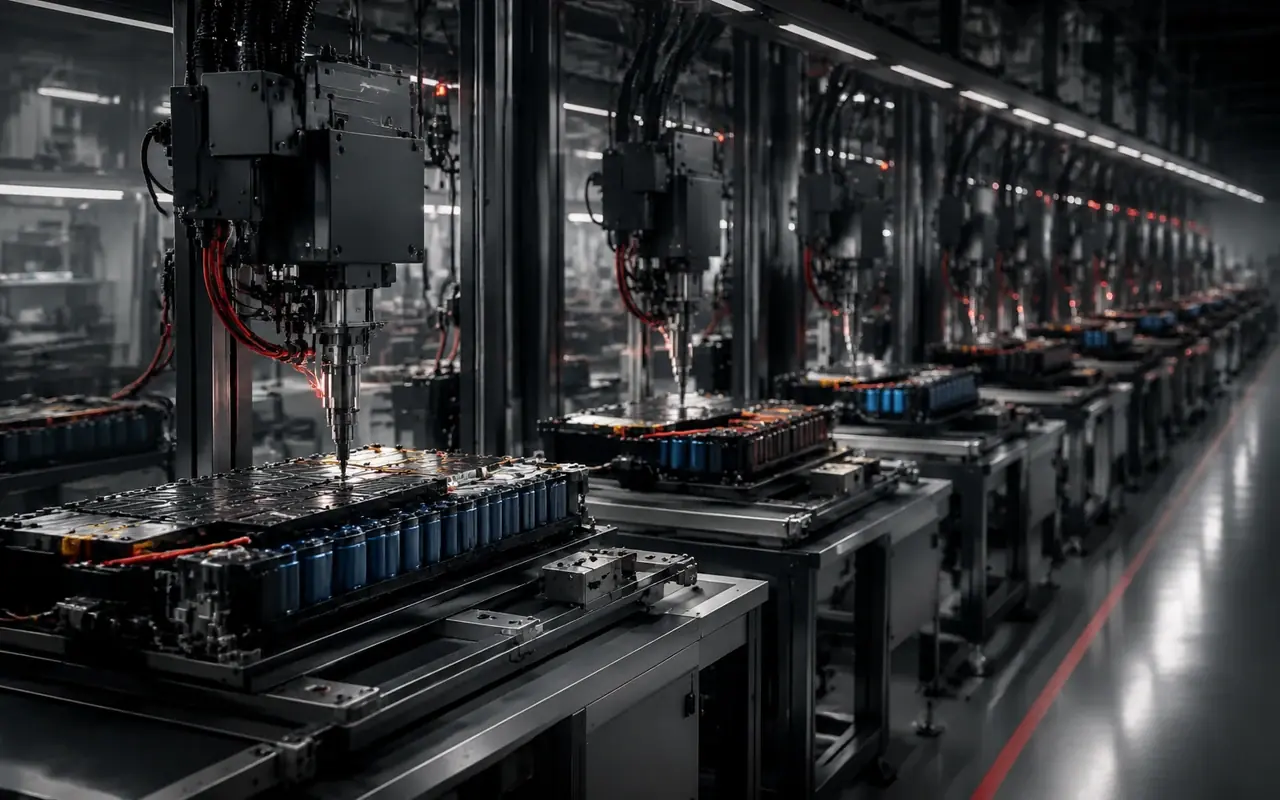
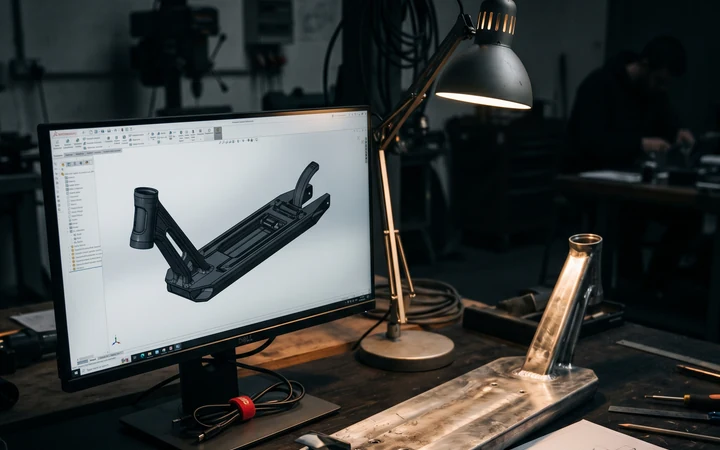
Frames start as AL 6061-T6 stock and are cut, welded and finished in-house to EN 17128. Drivetrains are built and bench-tested before they reach a chassis. Battery lines run cell-to-pack in parallel, feeding graded, cycled packs to the line just-in-time.
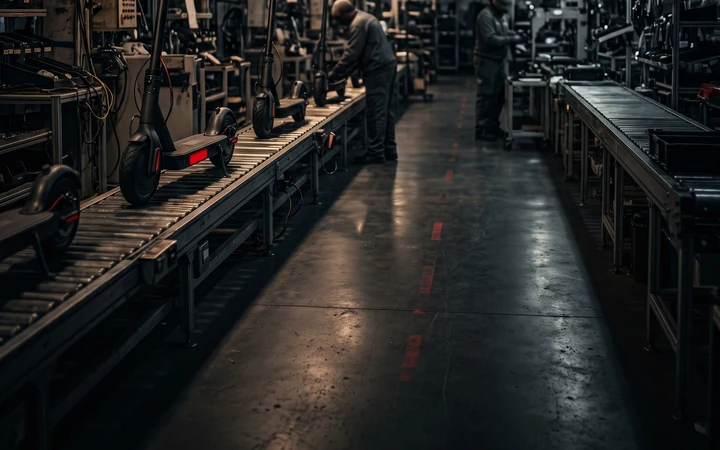
Final assembly runs across eight reconfigurable lines, which is what lets us swing between an OEM colourway run and an ODM configuration without re-tooling the whole floor. Every unit ends on 100% end-of-line test — not a sample, every unit.
What integration buys the buyer
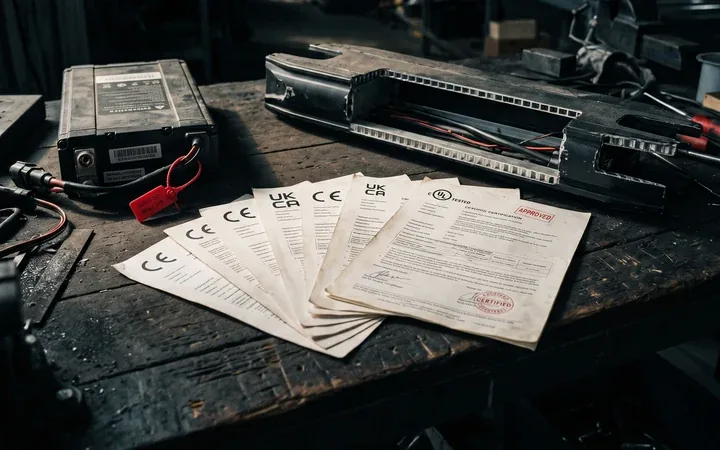
Vertical integration is not a marketing line — it is a traceability and speed argument. It compresses lead times because we are not waiting on a supplier’s queue, and it makes certification defensible because the records are ours end to end.
The cost is capital and discipline. The payoff is that when a partner asks how a specific unit was built, we can answer with data instead of a shrug.