The pack is where the returns come from
Ask any operator or distributor where their warranty claims cluster and the answer is almost always the same: the battery. Cell mismatch, weak welds, a BMS that throttles at the wrong temperature — none of it shows up on the bench, and all of it shows up in the field six months later.
When you buy finished packs from a third party you inherit those failure modes without any visibility into how they were built. You also inherit their traceability gaps, which is a serious problem the moment a shipment has to clear customs or a regulator asks for cell-level records.
Cell-to-pack, under one roof
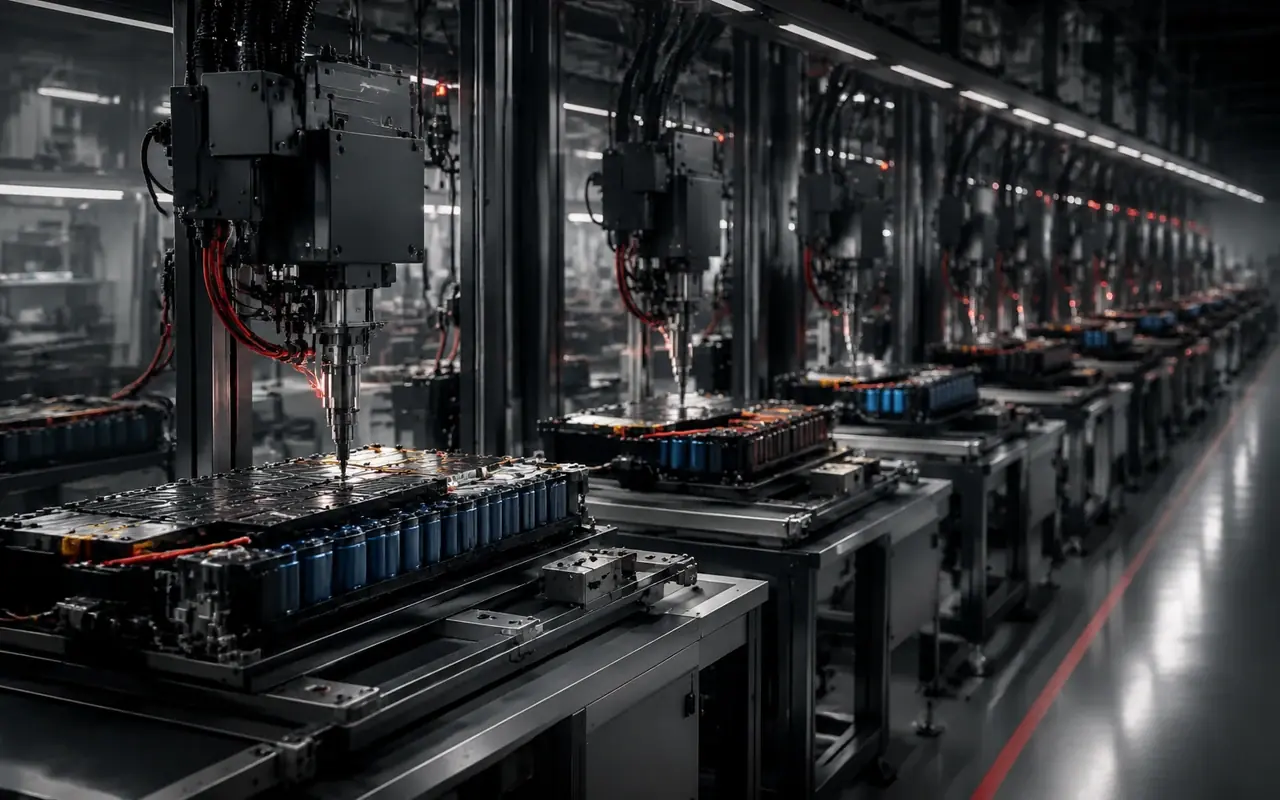
Our battery lines take graded cells through matching, welding, BMS integration and end-of-line testing without the pack ever leaving the building. Every pack is cycled and logged before it is married to a chassis, and the record is retained against the frame number.
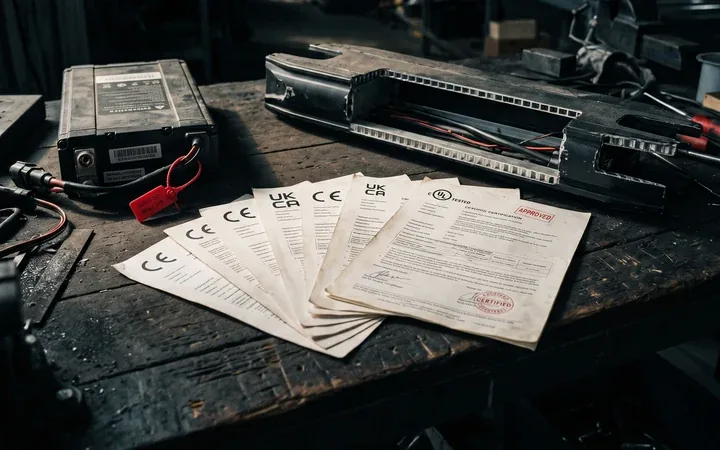
That vertical control is what lets us ship pre-certified to UN38.3 and IEC 62133 with confidence. We are not attesting to someone else’s process — we are attesting to our own, and we can produce the data to back it.
What it means for a partner
For an OEM buyer, in-house packs mean the certification you are relying on to move stock across a border is anchored to a process we actually control. For a fleet operator, it means a lower, more predictable field-failure rate — the number that quietly decides whether a deployment is profitable.
It is slower and more capital-intensive than buying packs on the open market. We think that trade is worth making, because the alternative is paying for it later in returns.